Attending K-Pop events in Korea often requires navigating the country’s extensive public transportation system. Understanding how to use subways and buses efficiently can significantly enhance your experience, especially when traveling to concert venues or fan meet locations. This guide provides practical steps for using public transport, focusing on the T-Money card system and route planning.
Getting Started with T-Money
The T-Money card is a rechargeable smart card used for public transportation across Korea, including subways, buses, and even some taxis. It offers convenience by eliminating the need to purchase single-use tickets for each journey. You can purchase a T-Money card at most convenience stores (e.g., GS25, CU, 7-Eleven) and subway stations. After purchasing, you can load money onto the card at these same locations or at automated machines in subway stations. When boarding a bus or entering a subway station, simply tap your card on the reader. Tap again when exiting to ensure the correct fare is deducted. VisitKorea highlights various travel basics, including transportation.
Planning Your Route with Digital Tools
Korea’s public transportation system is well-integrated, but planning your route in advance is crucial, especially if you’re unfamiliar with the area or need to reach a specific venue for a K-Pop event. Several mobile applications can assist with route planning, providing real-time information on subway and bus schedules, transfer points, and estimated travel times. Popular options include KakaoMap and Naver Map, which offer detailed directions in English. These apps allow you to input your starting point and destination, then generate optimal routes using various modes of transport. Always check for potential delays or service changes, particularly during peak hours or special events.
Understanding Subway and Bus Systems
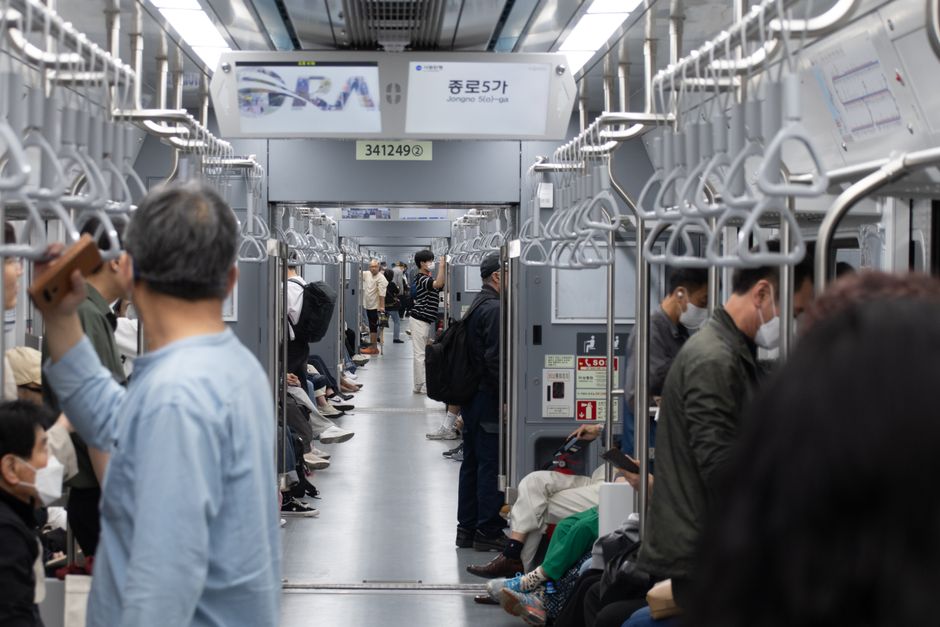
The subway system in major cities like Seoul is highly efficient and covers most key areas. Subway lines are color-coded, and stations are clearly marked with signs in both Korean and English. Announcements on trains are typically made in multiple languages. For buses, routes are numbered, and bus stops display information about the buses that serve them. While subways are generally faster for longer distances, buses can be more convenient for shorter trips or reaching destinations not directly served by a subway station. When using buses, be aware that some routes can be very crowded during rush hour. Remember to tap your T-Money card both when boarding and alighting buses to ensure correct fare calculation.
Hypothetical Scenario: Reaching a Concert Venue
Imagine you need to travel from Myeongdong Station to the Olympic Park KSPO Dome for a concert. First, ensure your T-Money card has sufficient balance. Using a navigation app like KakaoMap, you would input Myeongdong Station as your departure and Olympic Park as your destination. The app would likely suggest taking Seoul Subway Line 4 (light blue) from Myeongdong to Dongdaemun History & Culture Park Station, then transferring to Line 5 (purple) towards Hanam Geomdansan or Macheon, and alighting at Olympic Park Station. From there, the app would provide walking directions to the KSPO Dome within the park. This systematic approach, combining a T-Money card with a reliable navigation app, simplifies travel to K-Pop event venues.
Practical Takeaways for K-Pop Fans
- Purchase and Load T-Money: Essential for seamless travel on subways and buses.
- Utilize Navigation Apps: KakaoMap or Naver Map provide real-time routes and transfer information.
- Understand Transfers: Be prepared for transfers between subway lines or from subway to bus.
- Tap In and Out: Always tap your T-Money card when boarding and exiting public transport.
- Check Operating Hours: Public transport typically runs from early morning until late at night, but verify last train/bus times for late-night events.